
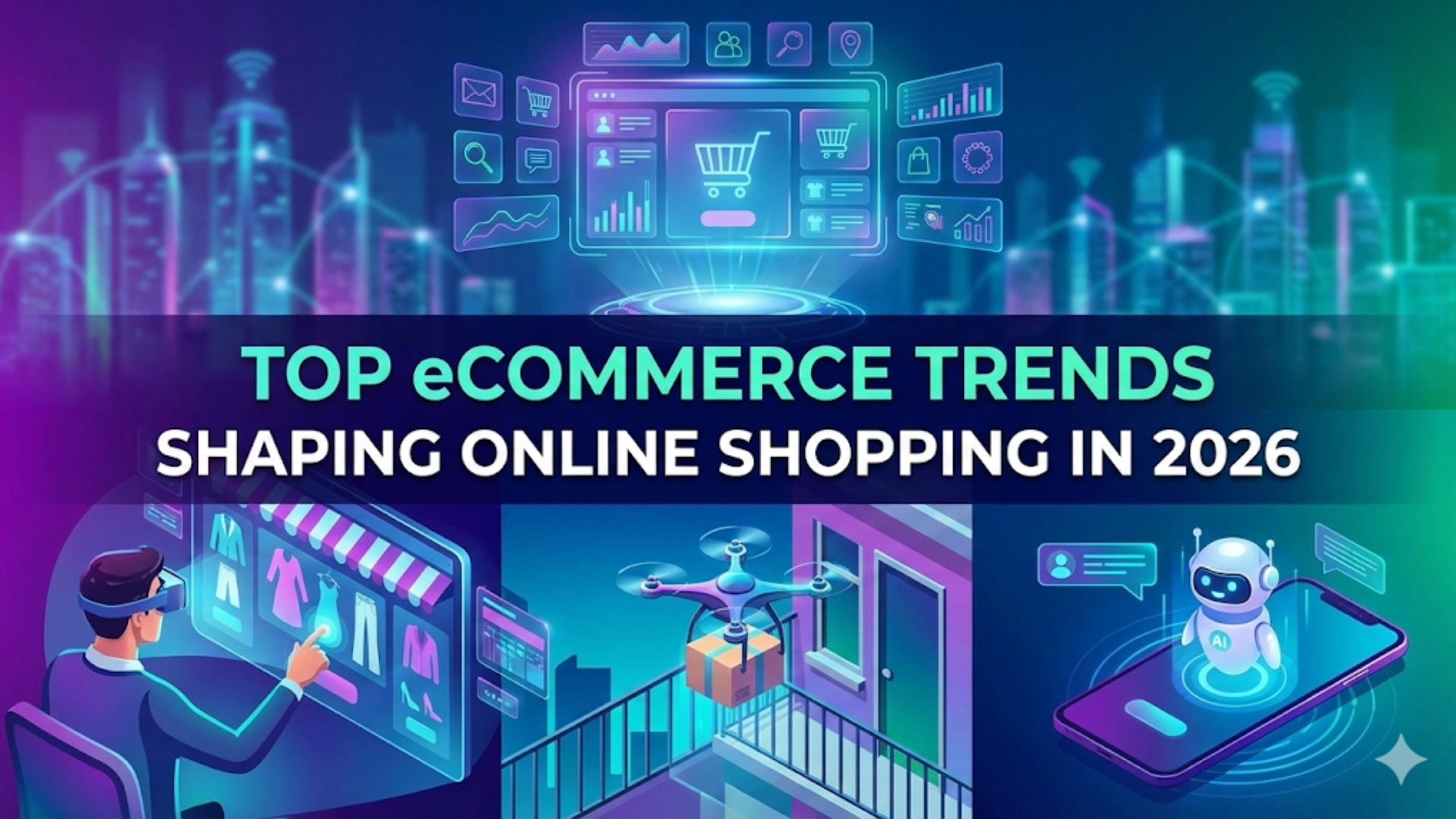
Top eCommerce Trends Shaping Online Shopping in 2026
The eCommerce industry continues to evolve rapidly, driven by technology, consumer behavior, and innovation. Staying updated with the latest trends helps both businesses and shoppers understand where online retail is heading.
One of the most influential trends is personalized shopping experiences. Modern eCommerce platforms use data and AI-powered tools to recommend products based on browsing history, preferences, and past purchases. This personalization saves time for customers and increases satisfaction by showing relevant products.
Another major trend is the rise of mobile commerce. With more shoppers using smartphones for online purchases, eCommerce websites are focusing on mobile-friendly designs, faster load times, and seamless checkout experiences. A smooth mobile interface is now essential rather than optional.
Sustainability is also shaping eCommerce in 2026. Consumers are increasingly conscious of environmental impact and prefer brands that offer eco-friendly packaging, ethical sourcing, and sustainable practices. Online stores that highlight green initiatives often build stronger customer loyalty.
Flexible payment options are becoming standard across eCommerce platforms. Buy Now, Pay Later (BNPL), digital wallets, and multiple payment gateways provide customers with convenience and financial flexibility, making purchases more accessible.
Lastly, faster delivery and transparent tracking have become customer expectations. Same-day or next-day delivery, real-time order updates, and hassle-free returns are no longer premium features—they are essential components of modern eCommerce success.
As technology advances, eCommerce will continue to adapt to customer needs. Businesses that embrace these trends will stay competitive, while shoppers will benefit from more convenient, secure, and enjoyable online experiences.